January 14, 2026
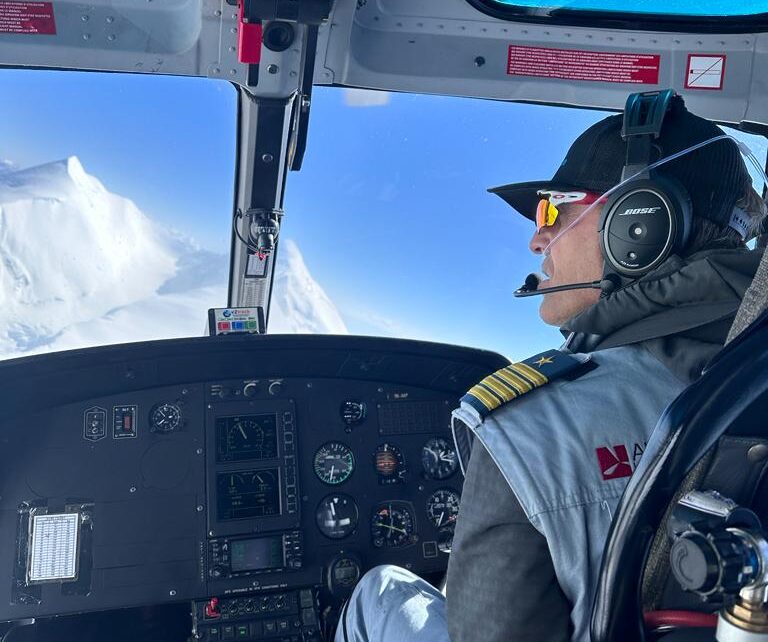
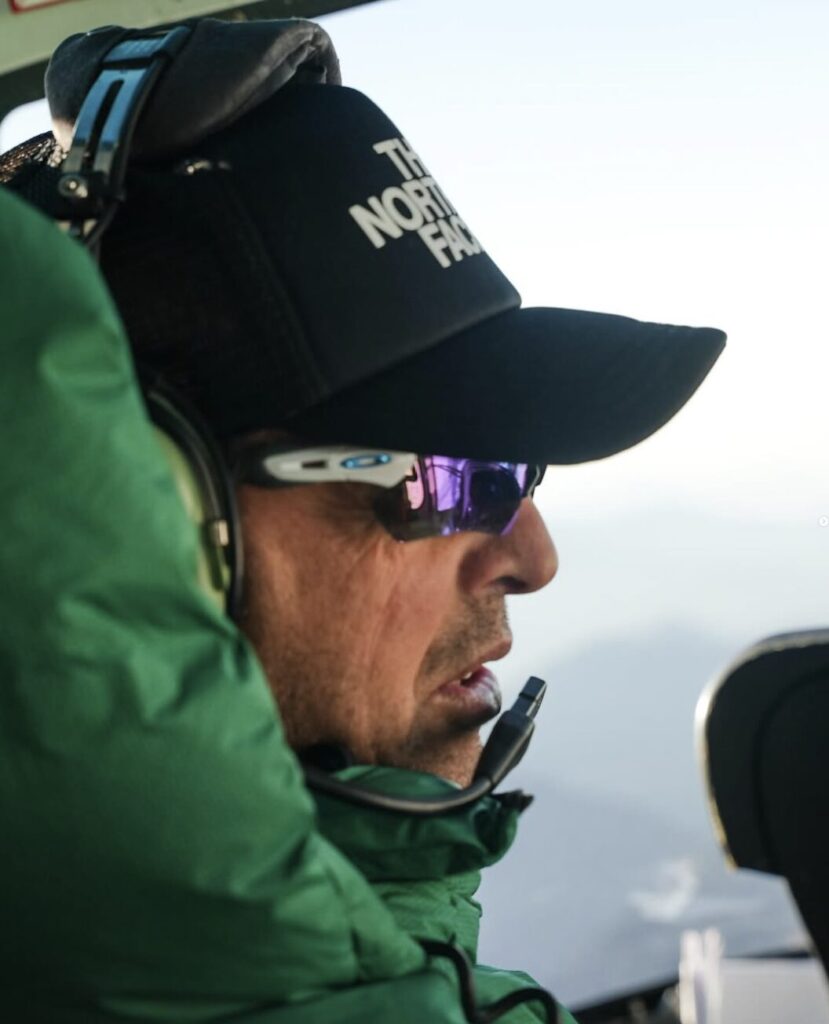
World-famous Italian mountaineer Simone Moro is planning to establish private helicopter rescue services in the high-altitude regions of Pakistan’s Karakoram and Patagonia, aiming to significantly improve emergency response in areas where timely rescues are currently limited or unavailable.
Moro, widely recognized for his groundbreaking winter ascents and high-altitude aviation expertise, has recently recovered from a heart attack he suffered in December on Nepal’s Mera Peak. After undergoing treatment and returning to Italy, the 58-year-old climber is now channeling his experience into a bold rescue initiative.
From Personal Crisis to Public Safety Vision
In December 2025, Moro experienced a serious heart attack while acclimatizing for a winter expedition in Nepal. He was evacuated by helicopter to Kathmandu and received medical care, and subsequent updates from his team confirmed that he is on the mend and expected to make a full recovery.
Drawing from his own ordeal — and the realization of how crucial timely rescue access can be in remote mountain terrain — Moro is now determined to improve aerial emergency services in regions where conventional rescue options are scarce.
Why Pakistan Needs Private Rescue Services
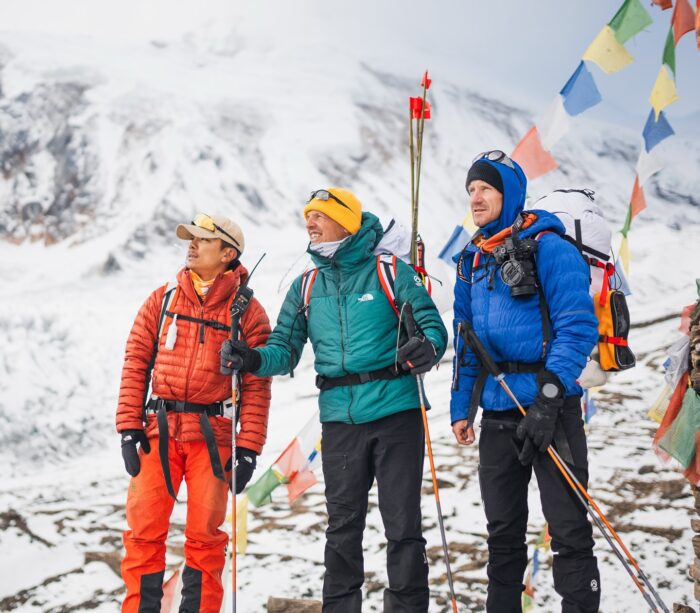
In Pakistan’s towering Karakoram range — home to peaks like K2, Broad Peak, GI.II and Nanga Parbat — helicopter rescue operations are currently handled almost exclusively by the military, with strict operational restrictions. Private helicopters are generally not permitted to fly in these high-altitude areas, limiting rapid emergency response for climbers and trekkers in distress.
Moro and Rashid Ullah project aims to change this. They already acquired two helicopters for the venture and is reportedly Moro is working closely with retired Brigadier and rescue pilot Rashid Ullah, who has extensive experience conducting complex aerial operations in Pakistan’s mountains. The initiative now awaits official approval from relevant Pakistani authorities before services can begin.
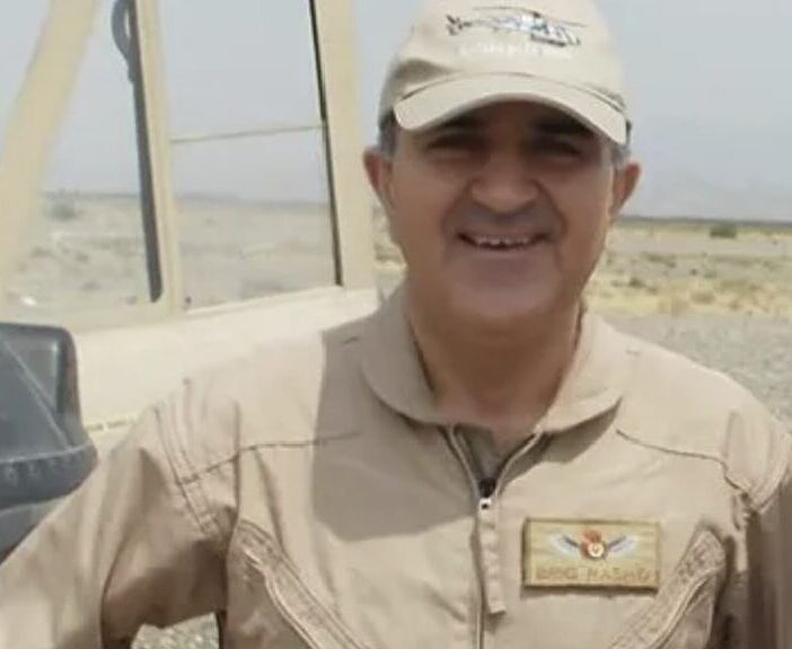
Who is Veteran rescue pilot Brig. R. Rashid Ullah Baig?
Brigadier R. Rashid Ullah Baig is one of Pakistan’s most respected and experienced high-altitude helicopter rescue pilots, with decades of service flying in the Karakoram and Himalayan ranges. As a Pakistan Army aviator, he played a critical role in some of the most challenging mountain rescue and recovery missions in history, including operations on K2 during the tragic 1995 season when British climber Alison Hargreaves lost her life. Flying in an era before GPS, satellite phones, or modern weather forecasting, Baig operated under extreme uncertainty, navigating violent winds, thin air, and minimal margins for error while supporting climbers, soldiers, and expeditions across Baltoro and beyond.
He is also known internationally for being one of the pilots involved in Pakistan’s first successful long-line helicopter rescue, famously airlifting Slovenian climber Tomaž Humar from Nanga Parbat—an operation that marked a turning point for technical mountain rescues in the region. Widely regarded for his calm judgment, deep local knowledge, and respect for climbers, Baig has witnessed the evolution of Himalayan mountaineering from a slow, isolated pursuit into a media-driven, technologically advanced endeavor. Today, alongside Simone Moro, he brings this rare combination of historical experience and operational expertise to plans for launching private helicopter rescue services in Pakistan, aiming to professionalize and strengthen life-saving capabilities in the world’s most dangerous mountains.
What This Could Mean for Mountain Safety
If successful, Moro’s helicopter rescue companies could dramatically reduce response times for emergency cases in regions where search and rescue programs currently struggle with mobility, bureaucracy, or terrain challenges. In Pakistan’s Karakoram, for instance, private rescue aviation could supplement existing military operations, bringing critical help faster to injured climbers and local populations alike.
Similarly in Patagonia, aerial support would offer a new layer of emergency readiness for international climbers, trekkers, and guides who currently face long delays or limited options during life-threatening situations.